
Fair housing compliance often feels like a balancing act. Property management professionals must interpret complex regulations, enforce consistent policies, and respond to resident concerns—all while ensuring that every action aligns with the Fair Housing Act. But what happens when you’re not entirely sure about the next step? That’s when knowing when to involve a fair housing attorney becomes essential.
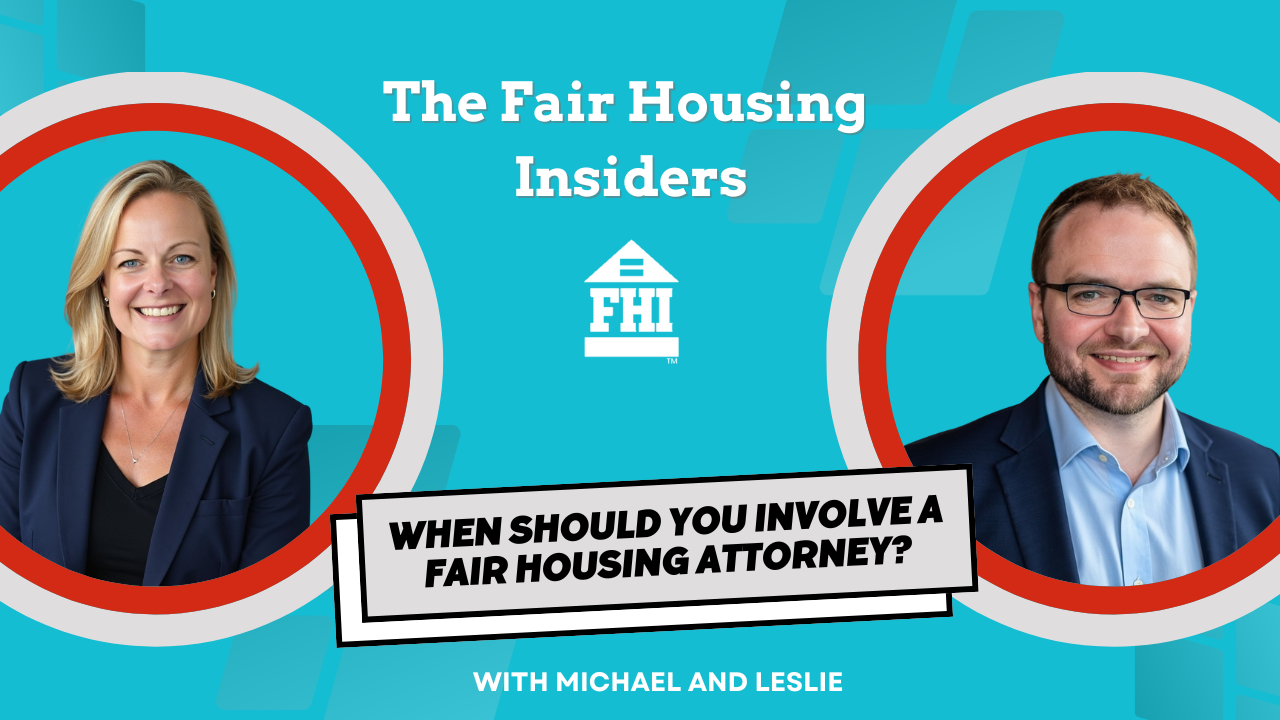
Table of Contents
Legal Consultation Is a Preventive Measure, Not a Panic Button
One of the most common misconceptions in property management is that calling an attorney means something has gone wrong. In reality, consulting legal counsel early is one of the smartest and most cost-effective risk management steps a housing provider can take.
A quick consultation can cost far less than even the initial stages of a fair housing investigation or complaint. Lawsuits and settlements can easily reach tens of thousands of dollars, not to mention the damage to reputation and staff morale. In contrast, having an attorney review a policy or help interpret new guidance provides peace of mind and a clear path forward.
Think of your attorney as a resource, not a last resort. Their role is to help prevent problems before they become costly violations.
When It’s Time to Make the Call
Not every question requires a lawyer, but there are specific red-flag situations when legal advice is the best course of action.
1. When Policies or Practices Feel Uncertain
If there’s even a small doubt about whether a policy might violate fair housing law, especially regarding assistance animals, occupancy limits, or criminal background screening, it’s time to seek clarification. Small errors in these areas often lead to some of the most expensive and publicized fair housing cases.
2. When You Receive Conflicting Information
Fair housing guidance can vary by state or jurisdiction, and even different HUD offices may interpret rules differently. If your training materials, corporate direction, or professional education sources don’t align, pause before making any policy changes. Legal counsel can help identify which interpretation applies to your specific situation.
3. When a Complaint or Threat of a Complaint Occurs
If a resident files or threatens to file a fair housing complaint, do not handle it alone. An attorney familiar with fair housing investigations can guide you through the process, help you understand your rights and obligations, and advise when to respond, settle, or defend.
4. When New HUD Guidance or Legal Updates Are Released
Regulatory updates, such as changes to assistance animal verification, advertising requirements, or criminal screening, often include nuances that affect each community differently. Having an attorney review how new guidance applies to your property ensures that your compliance practices stay current.
Prevention – A Cost-Effective Approach
The cost of prevention will always be lower than the cost of correction. A single consultation could prevent years of legal and financial consequences. Beyond the monetary value, proactive consultation protects staff confidence and preserves a community’s reputation.
Too often, property teams hesitate to call legal counsel out of fear it will seem unnecessary or overly cautious. However, hesitation can lead to “guessing”, and guessing in fair housing is one of the most dangerous habits in the industry. A short pause to confirm the correct course of action is always better than having to explain an incorrect one to an investigator later.
Conferences Are Not Legal Advice
Fair housing training and conferences are valuable tools for learning, but the advice given in general sessions does not always apply to every property. Federal laws are interpreted differently depending on the state, and individual company policies can alter how those rules are used in practice.
Before making any policy changes based solely on something heard at a training session or industry event, confirm with legal counsel that it’s correct for your specific jurisdiction and property. Well-intentioned advice can still lead to compliance violations if misused.
Build the Relationship Before You Need It
The best time to find a fair housing attorney is before you face a problem. Establishing that relationship early allows your attorney to understand your company’s policies, structure, and compliance history. That familiarity will make future consultations more efficient and effective when issues arise.
Make it standard practice to include your legal team in policy reviews and annual training updates. Their insight helps ensure your procedures are not only compliant but also practical and enforceable.
The Takeaway: Seek Guidance, Not Permission
Reaching out to a fair housing attorney isn’t about seeking permission—it’s about ensuring protection. It demonstrates professionalism, foresight, and a genuine commitment to compliance with and adherence to fair housing principles.
When uncertainty arises, pause before acting and verify your next step with a qualified fair housing attorney. The cost of that phone call is a fraction of what you might spend on a complaint, investigation, or lawsuit.
In fair housing, knowledge and caution are your strongest defenses. When in doubt, don’t guess —get guidance.
You may also like:
- Hoarding and Fair Housing: The Property Manager’s Compliance Guide
- Fair Housing’s 3 Non-Negotiables: A Property Manager’s Essential Survival Guide
- Preventing Staff Harassment in Property Management
- Fair Housing Liability: When Does Resident-on-Resident Harassment Trigger Management’s Duty to Act?
- Retaliation vs. Rule Enforcement: Navigating the Fair Housing Fine Line